
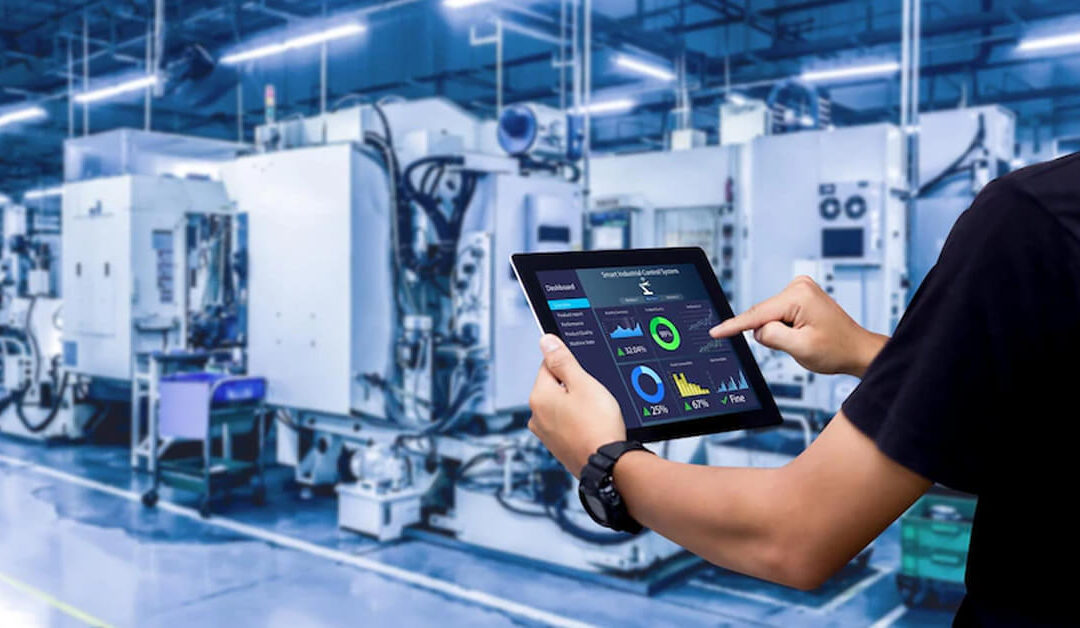
Quality control systems have become the backbone of modern component manufacturing, ensuring that every part produced meets strict performance, safety, and reliability standards. As industries become more advanced—ranging from aerospace and automotive to medical devices, electronics, and heavy machinery—the need for flawlessly manufactured components has grown exponentially. Even the slightest deviation in dimensions, material properties, or surface finish can cause mechanical failure, safety hazards, or costly recalls. For this reason, manufacturers rely heavily on comprehensive quality control systems to monitor production, detect inconsistencies, and maintain compliance with international standards. With global competition intensifying and customers expecting precision at every level, quality control is no longer merely a supplementary process but a core strategic element in manufacturing excellence. This SEO-optimized article explores why quality control systems are essential in component manufacturing, how they enhance product reliability, and the role they play in building long-term business success.
One of the primary reasons quality control systems are vital in component manufacturing is the need to ensure product consistency and precision. Modern production processes involve complex machinery, high-speed automation, and multiple stages of transformation—from raw material inspection to final assembly. Without a robust quality control framework, errors can easily go unnoticed, leading to defective components or inconsistent product batches. Quality control systems, such as in-process monitoring, automated measurement tools, and statistical process control (SPC), help manufacturers detect deviations as soon as they occur. These systems continuously track variables such as dimensional accuracy, material hardness, surface finish, and tolerance levels, ensuring every part conforms to the required specifications. This consistent monitoring helps prevent defects from progressing further in the production chain, saving time, reducing waste, and improving overall efficiency. As manufacturing technology evolves, the integration of real-time sensors, digital measurement tools, and automated inspection equipment significantly enhances a company’s ability to achieve near-zero defect rates.
Quality control also plays a crucial role in enhancing safety and reliability, especially in industries where component failure can have life-threatening consequences. For example, aerospace components must endure extreme conditions, including high pressure, vibration, and temperature fluctuations. Automotive parts must perform reliably under stress, while medical devices must meet stringent standards to ensure patient safety. A single defective part in these sectors can lead to catastrophic results, making quality control essential not only for compliance but for ethical and safety reasons. Advanced testing methods—such as non-destructive testing (NDT), X-ray inspection, ultrasonic testing, hardness testing, and tensile strength evaluation—help manufacturers verify the integrity of components without compromising their usability. These tests identify internal flaws, cracks, or material weaknesses that might not be visible through surface inspections. By implementing rigorous testing standards, manufacturers ensure that every component delivered to the customer performs flawlessly under real-world conditions, reinforcing the company’s reputation and customer trust.
Another significant benefit of quality control systems is the reduction of production costs and operational inefficiencies. While some organizations may initially consider quality control as an added expense, the long-term financial advantages far outweigh the investment. Detecting defects early minimizes rework, scrap, machine downtime, and raw material waste. For high-volume manufacturing environments, even a small reduction in defect rates can result in substantial cost savings. Additionally, effective quality control helps identify patterns or recurring issues within the production process. By analyzing this data, manufacturers can pinpoint root causes, optimize machining parameters, adjust tool paths, and improve workflow efficiency. Continuous improvement programs, such as Lean Manufacturing and Six Sigma, rely heavily on quality control systems to drive process optimization and eliminate variability. When integrated correctly, quality control becomes a powerful tool that supports smoother production flow, enhances machine performance, and reduces operational disruptions.
Quality control systems also support regulatory compliance and help manufacturers access global markets. Many industries must adhere to strict international standards such as ISO 9001, ISO/TS 16949 for automotive, AS9100 for aerospace, and ISO 13485 for medical devices. These certifications require documented procedures, traceability, and rigorous quality assurance practices throughout the entire manufacturing lifecycle. Without proper quality control systems in place, companies risk failing audits, facing production halts, or losing access to key customers and markets. In today’s interconnected global supply chain, manufacturers must demonstrate their commitment to quality to maintain competitiveness and secure long-term business partnerships. Customers increasingly prefer suppliers with advanced inspection capabilities, reliable documentation practices, and a proven record of quality excellence. Implementing comprehensive quality control systems not only ensures compliance but also enhances a company’s credibility and marketability worldwide.
Furthermore, quality control systems play a critical role in building customer satisfaction and trust—two essential components of long-term business success. When clients receive consistently reliable parts, they gain confidence in the manufacturer’s ability to deliver high-performing products every time. This trust often leads to repeat business, stronger partnerships, and positive referrals. On the other hand, recurring quality issues can severely damage a company’s reputation, lead to costly warranty claims, and weaken customer relationships. High-quality components not only perform better but also contribute to the efficiency and success of the client’s final product. In industries with highly competitive markets, maintaining exceptional quality can be a key differentiator that sets one manufacturer apart from others. By investing in advanced inspection technology, skilled quality engineers, and well-structured quality management systems, companies can deliver consistent excellence, retain customer loyalty, and strengthen their long-term brand presence.
In conclusion, the importance of quality control systems in component manufacturing cannot be overstated. From ensuring product consistency and enhancing safety to reducing costs, improving efficiency, and supporting regulatory compliance, quality control is the driving force behind reliable and competitive manufacturing operations. As technology continues to evolve, quality control systems are becoming even more sophisticated, incorporating automation, machine learning, smart sensors, and data analytics to achieve higher precision and real-time monitoring. Manufacturers that prioritize quality control position themselves for sustainable growth, operational excellence, and market leadership. By integrating robust quality control practices, companies can deliver superior components, build lasting customer relationships, and thrive in today’s rapidly modernizing industrial landscape.