
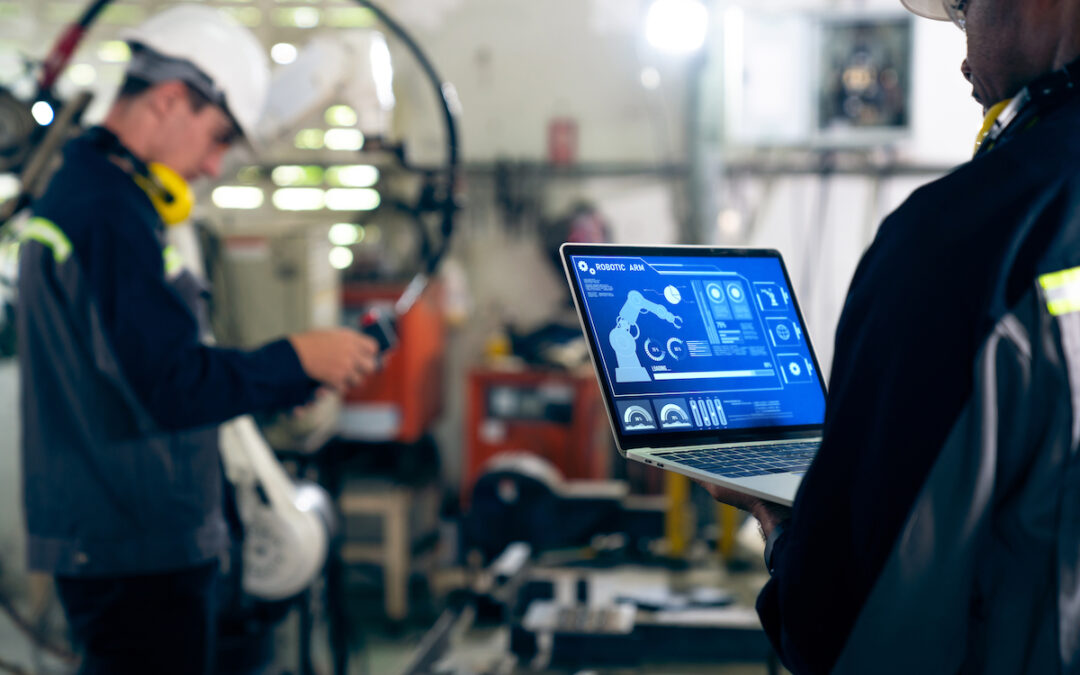
Energy-efficient manufacturing has emerged as one of the most strategic approaches for modern industries seeking long-term cost optimization, operational stability, and environmental responsibility. As global energy prices continue to rise and sustainability standards become increasingly strict, manufacturers are faced with the urgent need to reduce consumption without compromising productivity. Energy-efficient manufacturing systems meet this demand by integrating smart technologies, advanced automation, and optimized workflows to minimize waste and maximize output. These systems go far beyond simply reducing electricity usage—they encompass everything from machinery design and process control to data analytics and renewable energy integration. As a result, manufacturers that adopt energy-efficient systems enhance their competitiveness while contributing to a greener industrial future. This article explores how these advanced systems work, the benefits they offer, and why they are becoming essential for cost optimization in today’s industrial landscape.
One of the primary ways energy-efficient manufacturing systems optimize operational costs is through real-time monitoring and analytics. Traditional industrial processes often operate on fixed schedules and assumptions, leading to unnecessary energy consumption during idle periods or suboptimal conditions. In contrast, modern energy-efficient systems rely on smart sensors, connected machinery, and cloud-based platforms to continuously track energy usage across every stage of production. These systems analyze variables such as load demand, temperature, air pressure, machine speed, and motor performance to identify inefficiencies that would be difficult to detect manually. Real-time insights allow manufacturers to adjust settings, schedule machines more wisely, and detect anomalies before they lead to costly downtime. For example, predictive analytics can reveal when motors or compressors are drawing more power due to wear or imbalance, helping teams schedule maintenance before excessive energy waste occurs. By turning raw operational data into actionable insights, real-time monitoring serves as the backbone of energy-efficient manufacturing and drives significant cost savings.
Beyond monitoring, advanced automation plays a crucial role in reducing energy consumption across manufacturing systems. Automated production lines equipped with intelligent control systems can make precise adjustments based on demand, minimizing the energy used for heating, cooling, ventilation, and motion. Robotics and programmable logic controllers (PLCs) improve accuracy, reduce cycle times, and eliminate the inconsistencies that lead to unnecessary machine operation. Variable frequency drives (VFDs), for example, adjust the speed of motors according to load requirements, ensuring that machines never run at full power when lighter tasks are sufficient. Automated shutoff features also deactivate equipment when production is paused, preventing the energy waste associated with idle running. Furthermore, smart scheduling systems distribute workloads evenly across machines to avoid peak energy demand spikes, which are often accompanied by higher utility costs. By aligning machine performance with actual production needs, automation becomes a key tool in reducing both energy usage and operational expenses.
Another essential component of energy-efficient manufacturing systems is the integration of high-efficiency machinery and optimized facility layouts. Traditional industrial equipment typically consumes large amounts of energy and may not meet modern efficiency standards. Replacing or upgrading outdated machines with energy-efficient motors, compressors, lighting systems, and HVAC units can drastically reduce overall consumption. For example, switching to LED lighting and intelligent climate control systems has an immediate impact on energy bills, especially in large manufacturing spaces. Additionally, optimizing facility layouts helps reduce energy losses by shortening transport pathways, improving material flow, and minimizing unnecessary machine movement. Efficient workflow design reduces the time materials spend in handling or storage, thereby lowering the energy required for conveyor systems, forklifts, and storage facilities. By combining energy-efficient equipment with strategic facility design, manufacturers create environments where every watt of energy contributes to productivity rather than waste.
Renewable energy integration is also becoming a critical strategy in achieving long-term energy efficiency and cost optimization. Many modern manufacturing plants incorporate solar panels, wind turbines, or geothermal systems to reduce reliance on grid electricity. These renewable sources provide stable and sustainable power, often at a significantly lower cost over time. Additionally, energy-efficient manufacturing systems frequently use battery storage solutions to capture excess renewable energy and supply it back to the facility during peak hours. This not only reduces energy costs but also provides a buffer against power outages and grid instability. Combined heat and power (CHP) systems offer another opportunity by converting waste heat from industrial processes into usable energy, dramatically improving total system efficiency. As industries aim to reduce carbon emissions and align with global sustainability regulations, renewable energy adoption becomes an increasingly attractive and financially beneficial option.
A crucial but often overlooked aspect of energy-efficient manufacturing is the cultivation of an energy-conscious culture within the workforce. Even the most advanced systems lose efficiency when employees are not trained to understand or support energy-saving initiatives. Companies must implement training programs that promote awareness of energy-efficient practices, such as proper machine operation, shutdown protocols, and preventative maintenance routines. Cross-functional energy management teams can analyze energy reports, set reduction targets, and encourage continuous improvement across departments. Digital dashboards that display real-time energy performance motivate employees to take ownership of efficiency goals and identify new opportunities for savings. When workforce engagement aligns with technological advancements, manufacturers achieve synergistic improvements that result in consistent and measurable cost reductions.
In conclusion, energy-efficient manufacturing systems are no longer optional—they are an essential investment for businesses aiming to achieve cost optimization, operational resilience, and sustainable growth. Through real-time monitoring, advanced automation, high-efficiency machinery, renewable energy adoption, and an energy-focused workforce, manufacturers can significantly reduce operational costs while improving productivity and reliability. These systems help organizations stay competitive in an evolving global market where efficiency, sustainability, and innovation define success. As energy costs continue to rise and environmental regulations become stricter, companies that prioritize energy-efficient manufacturing will stand at the forefront of industrial excellence, benefiting not only their bottom line but also the planet.