
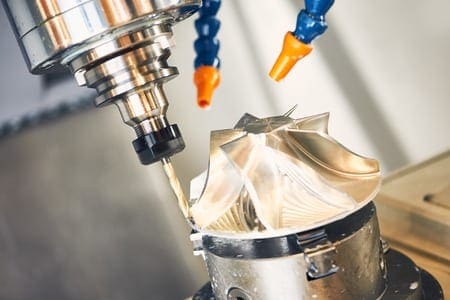
Achieving a high-quality surface finish is one of the most essential objectives in CNC metalworking, especially as modern industries demand components that are not only dimensionally precise but also visually refined and functionally reliable. A smooth and consistent finish improves part performance, reduces friction, enhances durability, and minimizes the need for extensive post-processing steps. Whether manufacturing aerospace components, medical implants, automotive parts, or precision molds, the surface finish directly influences how a product behaves in real-world applications. With updated SEO practices and modern algorithm requirements in mind, this article explores the most effective methods used in CNC machining to improve surface finish quality, offering insights useful for manufacturers, engineers, and machine shops striving for excellence in metalworking.
One of the primary methods of improving surface finish in CNC machining lies in optimizing cutting parameters. Feed rate, spindle speed, depth of cut, and step-over distance all play vital roles in determining the texture of the final component. A high spindle speed paired with a reduced feed rate can produce a smoother surface by allowing the cutting tool to engage the material more gently and consistently. Likewise, reducing the depth of cut minimizes vibration and lowers cutting forces, helping prevent tool chatter—a major cause of surface irregularities. In finishing operations, smaller step-over distances create finer passes that blend more smoothly. CNC programmers often use adaptive toolpaths that maintain constant engagement to achieve more stable cutting conditions. Modern CAM software also includes high-speed machining strategies that reduce tool pressure, distribute heat more evenly, and deliver a more polished surface right off the machine. These parameter adjustments, when executed correctly, drastically reduce the need for manual polishing or secondary finishing processes.
Tool selection and tool condition are equally crucial in determining surface finish quality. Carbide tools, known for their rigidity and wear resistance, are widely preferred for fine finishing operations. The geometry of the cutting tool—including helix angle, number of flutes, rake angle, and edge radius—affects chip formation and cutting stability. Tools with high helix angles, for example, help evacuate chips more efficiently, reducing the risk of recutting and leaving behind a smoother surface. Coated tools, such as those with TiAlN or DLC coatings, reduce friction and heat buildup, resulting in cleaner cuts and improved tool longevity. Additionally, maintaining sharp tools is critical; worn tools generate heat, cause chatter, and leave behind rough textures. Proper tool maintenance, routine inspection, and timely replacement ensure consistent surface quality. When machining delicate materials like titanium or hardened steel, specialized finishing tools designed for low-pressure cutting can greatly enhance the final result, ensuring precision without deforming the material.
Another major factor in surface finish improvement is machine stability and vibration control. Even the most precise cutting strategy can fail if the machining environment is unstable. Machine rigidity, spindle condition, workholding, and fixturing all influence how smoothly the cutting tool interacts with the workpiece. High-performance CNC machines typically feature advanced spindle bearings, thermal compensation systems, and rigid machine frames to minimize vibration. For shops working with older machines, additional stabilization methods—such as choosing slower feed rates, using vibration-dampening toolholders, or improving fixture rigidity—can significantly enhance finish quality. Workholding must be secure, ensuring that the workpiece remains firmly in place throughout the machining process. Loose or poorly supported components tend to vibrate, resulting in surface imperfections. Furthermore, using precision vises, soft jaws, custom fixtures, or magnetic clamps can dramatically improve stability. Creating a rigid and vibration-free machining environment is often one of the simplest yet most effective ways to elevate surface finish.
Coolant and lubrication strategies also play an indispensable role in achieving smooth surfaces. Proper cooling reduces heat buildup, which can cause thermal expansion and distortions in both the tool and the workpiece. Flood coolant, mist systems, and high-pressure coolant can each offer specific benefits depending on the material and machining operation. For instance, high-pressure coolant is highly effective when machining stainless steel or titanium because it helps break chips more efficiently, preventing chip re-cutting and surface scratching. Lubricants reduce friction at the cutting interface, allowing the tool to glide more smoothly. In some applications, minimum quantity lubrication (MQL) provides excellent performance while reducing fluid consumption and improving environmental sustainability. Coolant also helps flush away chips from the toolpath, ensuring the cutting edge remains clean and effective. Without adequate coolant flow, chips may cling to the cutting tool, drag across the surface, and create scratches or uneven textures, making coolant management an essential part of the finishing process.
Beyond in-machine improvements, secondary processes also contribute significantly to surface finish enhancement in CNC metalworking. Even with optimized parameters, perfect tooling, and ideal cooling, some applications require additional refinement. Processes such as grinding, polishing, honing, and lapping are used to achieve extremely fine finishes, especially in high-performance applications like sealing surfaces, precision molds, hydraulic components, and aerospace assemblies. Grinding uses abrasive wheels to remove small amounts of material with exceptional accuracy. Polishing and buffing smooth the surface further, removing microscopic imperfections. Honing improves surface geometry and texture by using abrasive stones, while lapping delivers mirror-like finishes with extreme precision. Vibratory finishing, tumbling, and abrasive blasting can be used for batch finishing of smaller components. These secondary processes complement CNC machining by refining textures that cannot be fully achieved through cutting alone. Their effectiveness depends on selecting the right combination of abrasives, speeds, and applied pressures.
In conclusion, improving surface finish in CNC metalworking requires a combination of advanced machining strategies, proper tooling, stable equipment, effective cooling, and—when necessary—well-selected secondary finishing processes. As industries continue to demand higher performance and aesthetic quality from machined components, manufacturers must optimize every aspect of their workflow to ensure consistently superior results. From adjusting cutting parameters and using precision tools to enhancing machine stability and applying advanced finishing techniques, each decision contributes to a smoother, more refined surface. By understanding and implementing these methods, CNC shops can elevate their craftsmanship, reduce production time, minimize rework, and deliver components that meet the rigorous standards of today’s competitive manufacturing landscape.